


Smarter Agriculture: Practical Technologies That Can Improve Productivity and Sustainability

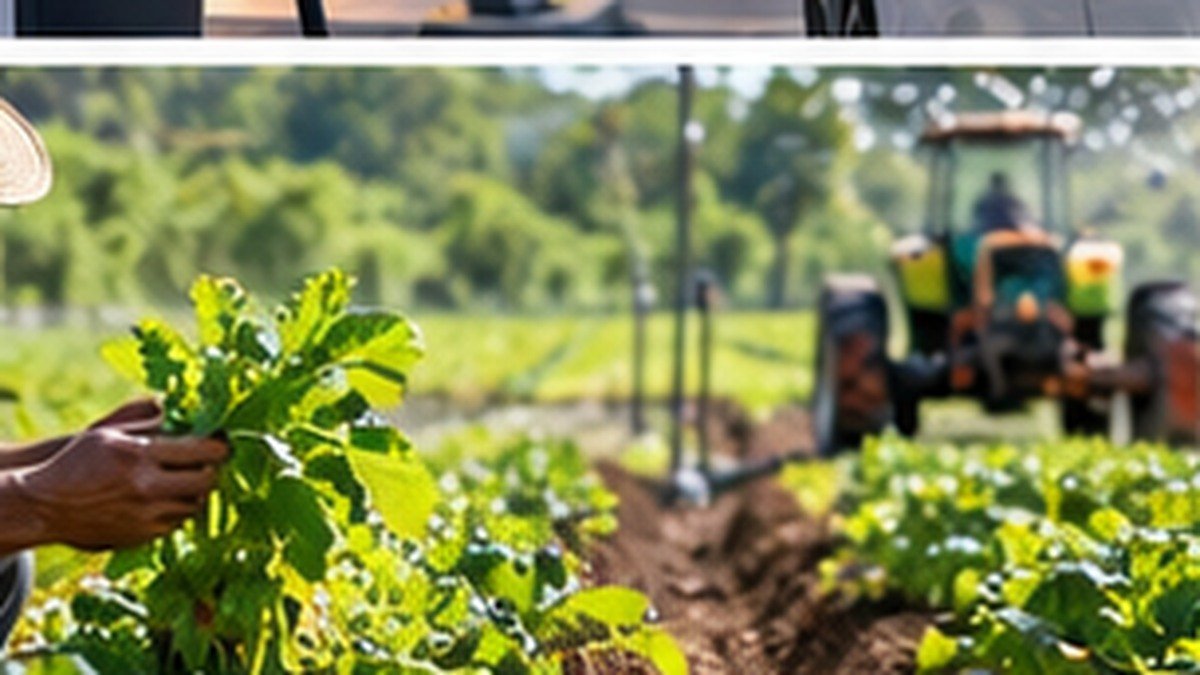
Modern agriculture does not always require complicated technology. Practical improvements in water use, tools, measurement and energy can help farmers work more efficiently.
Innovation Should Solve Real Farming Problems
Agricultural technology is most valuable when it responds to practical needs such as water availability, labour, energy use, crop monitoring and productivity. A solution does not have to be highly complex to be innovative. Better irrigation components, efficient pumps, suitable small machinery, measurement tools and renewable-energy products can all contribute to improved farm management when selected for the right application.
Water Efficiency Is a Major Opportunity
Water is one of agriculture's most important resources. Efficient irrigation can help direct water where it is needed and reduce avoidable losses. The best approach depends on crop type, land, climate, water source and budget. Timers, valves, drip components, sprinklers and basic monitoring tools can support more controlled irrigation. Farmers should evaluate systems based on local conditions rather than assuming one method suits every crop.
Small Machinery Can Improve Productivity
Mechanization is not limited to large farms. Appropriately sized machinery and powered tools can reduce repetitive labour and make tasks such as cultivation, cutting, spraying, pumping or material handling more efficient. The key is selecting equipment that matches the scale of the operation and can be maintained locally. Availability of spare parts, operator training and safe use should be considered before purchase.
Measurement Helps Better Decisions
Farmers make many decisions based on timing and conditions. Measuring tools can support more consistent management by providing useful information rather than relying only on observation. Depending on the application, this may involve water flow, distance, temperature, moisture or other parameters. Technology is most effective when the information it provides leads to a clear action.
Renewable Energy and Biogas
Agricultural operations can also explore renewable-energy technologies where they are technically and economically suitable. Solar-powered applications may support certain pumps, lighting or facilities, while biogas systems can turn suitable organic material into useful energy under the right conditions. These systems require proper design and maintenance; they should be assessed according to available resources and actual demand.
Sustainability Includes Durability
An environmentally responsible product should also be practical. Equipment that fails quickly or cannot be repaired may create more waste and expense. Product durability, replaceable components, efficient energy use and realistic maintenance requirements should therefore be part of sustainable purchasing decisions. Derana Enterprises aims to identify products that improve productivity while supporting responsible resource use.
A Practical Path Forward
Sri Lankan agriculture includes many different crops, climates and scales of production, so there is no single technology package for everyone. Progress can come from a series of sensible improvements chosen around the farmer's real needs. Through its marketplace philosophy—Practical Products. Innovative Technology. Sustainable Living.—Derana Enterprises seeks to make useful technologies more accessible to professional, agricultural and household customers.
Making Better Decisions Through Professional Advice
Complex projects and purchases benefit from accurate information. Clients should define their objectives, compare appropriate options and understand technical, financial and operational implications before committing. Professional consultation can identify constraints early and prevent a decision based only on price or marketing claims. This principle applies across construction, renewable energy, technology, training, products and travel: the most suitable solution is the one that fits the real requirement.
Long-Term Value Over Short-Term Thinking
A responsible business decision considers what happens after the initial purchase or project handover. Durability, maintenance, energy use, support, adaptability and user experience can influence value over many years. Walisundara Holdings and its group businesses aim to combine practical experience with innovation so that solutions are useful not only at the moment of delivery but throughout their intended life.
A Commitment to Responsible Growth
Growth is meaningful when it creates value for customers, employees, partners and communities. The Group's approach emphasizes professionalism, integrity, innovation, sustainability, quality and social responsibility. These values encourage businesses to explore new opportunities while remaining grounded in reliable service and responsible practices. The result is a long-term perspective that supports both commercial progress and positive contribution.
Questions Worth Asking Before You Proceed
Before choosing a provider, product or project approach, take time to ask practical questions. What problem is the solution expected to solve? What information is needed before work begins? Who is responsible for design, delivery, testing and support? What assumptions are included in the proposal, and what could cause the scope or cost to change? Clear answers create better expectations and make it easier to compare options fairly.
Documentation is equally important. Depending on the activity, useful records may include quotations, specifications, drawings, product information, warranties, schedules, inspection records, training materials or travel itineraries. Keeping these documents organized supports communication during delivery and provides a useful reference later. Customers should also understand any maintenance, operating or safety responsibilities that continue after completion.
Finally, avoid making a decision solely because a solution appears fashionable or inexpensive. Construction, energy, technology, equipment, training and travel all involve different practical constraints. A solution that works well in one situation may not be appropriate in another. Taking a requirements-first approach helps ensure that money, time and resources are directed toward something genuinely useful.
The Importance of Local Context
Solutions should also reflect the conditions in which they will actually be used. Sri Lanka's climate, infrastructure, regulations, market conditions, available skills and customer expectations can influence the success of a project or product. Imported ideas and technologies can be valuable, but they should be evaluated and adapted rather than copied without considering local realities.
Local context also affects maintenance and support. Equipment that depends on unavailable parts, a system that requires specialist attention that cannot be accessed easily, or a project plan that ignores weather and logistics can create avoidable difficulties. Thinking beyond initial delivery encourages more resilient decisions and improves the likelihood that a solution continues to perform as intended.
This practical mindset is central to the Walisundara Group's approach. Experience provides an understanding of established methods, while innovation creates opportunities to improve them. Bringing the two together allows each business to explore new possibilities without losing sight of reliability, usability and long-term value.
Published by Walisundara Holdings (Pvt) Ltd — Building Today. Innovating Tomorrow.